Live format / in person

A restaurant evening, mapped from arrival to close

Event Flow explains the rhythm of a hosted poker evening held physically inside The Gamesome Kitchen. The restaurant’s card lounge, poker tables, hosted sessions and kitchen pairings belong to one social occasion: guests arrive, settle into the room, take cues from a host, share food and conversation, and enjoy cards together in person. It is practical guidance for planning a real visit, not a remote or digital activity.

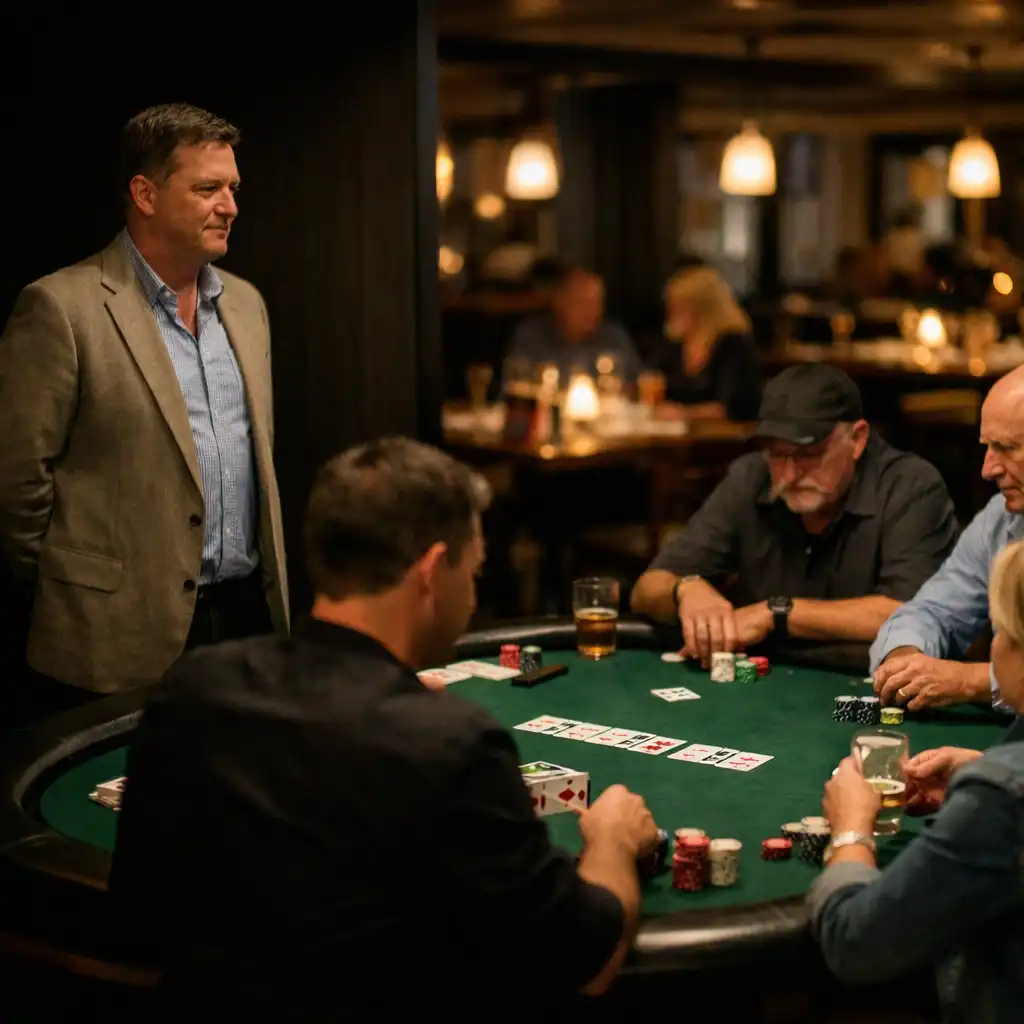
Host and adult guests gathered around a physical poker table in The Gamesome Kitchen card lounge
LOUNGE / TABLE FLOOR A hosted, in-person table setting within the restaurant.
Field sequence / 01–06

A clear sequence, without making the night feel scripted

The Gamesome Kitchen brings restaurant dining and hosted in-person card evenings into the same room. The sequence below is an orientation tool for first-time guests, not a timed agenda: it shows how a relaxed social evening can move from arrival through table attention, food and a considerate close while a host keeps the physical room easy to read.

01Arrival

Arrive and get your bearings

Begin by entering the restaurant as you would any shared evening out, then take a moment to notice how the card lounge sits within it. The poker tables are a physical part of the restaurant experience, not a separate online space. Settling in gives you time to read the room, recognise the social pace and arrive ready for an in-person gathering.

02Host signal

Meet the host and settle in

A host provides the human transition into the card-room setting. If you have practical questions, this is a useful moment to ask and to understand where the poker tables fit in the room. Newcomers do not need a rehearsed routine; listening, observing and taking a little guidance helps the evening feel welcoming from the first conversation.

03Table orientation

Find the table rhythm

Before cards become the focus, guests can take in the shared expectations around seating, cards and the table surface. The tables are physical restaurant tables set for a hosted social format. Any chips used at the table are non-financial props that help the shared activity stay legible, never a signal of financial participation.

Rule strip: leave room for cards, cues and fellow guests.

04Hosted session

Join the hosted table session

Hosted play is a social, offline card-room activity conducted physically inside the restaurant. The host helps make table flow readable, offers cues when attention needs gathering and supports guest comfort as people join the conversation. The purpose is the shared experience of the room: cards on a real table, people responding to one another and a calm setting that makes participation feel approachable.

05Kitchen pairing

Pause for the kitchen

The kitchen remains part of the evening rather than an interruption beside it. Food creates a natural moment to pause, continue a conversation and stay connected to the restaurant around the table. Hosts can help the room notice those transitions, so dining and hosted cards feel like companion parts of one sociable visit.

06Closeout

Wind down with the room

The final stretch is a chance to let conversation settle, leave the table orderly and recognise the room’s close as part of a complete in-person gathering. There is no need for a rushed final note: hosted poker remains rooted in the restaurant, with guests carrying the social connection of the evening beyond the physical table.

Closeout cue: leave the shared table clear for the room.
First visit

First visit: arrive ready to take cues from the room

You do not need to arrive with a rehearsed card-room routine to enjoy a hosted poker evening. The card lounge is an in-person part of The Gamesome Kitchen, and the most useful first step is simply to observe how the room is moving. Listen to the host, notice the table’s shared attention and let conversation show you where to settle. That relaxed approach leaves room for food, people and cards without asking you to perform expertise.

Arrival note

Give yourself a moment to land

Notice where the host and table area are before joining the social flow. A short moment of orientation makes it easier to understand how the physical poker tables sit within the restaurant and where to direct a practical question.

Table note

Let the table stay easy to read

Cards, space and non-financial table chips work best when they remain shared physical props, not distractions. Follow host direction, make room for others to participate and allow the table’s visible cues to support a comfortable social experience.

Kitchen note

Keep the kitchen in the evening

Kitchen pairings are part of the experience, not background noise. Stay open to food pauses and conversation, and use the host’s pacing as a cue for moving between table attention and the restaurant atmosphere.

Kitchen pairing

The kitchen stays in the flow

The Gamesome Kitchen is restaurant-led, so food and conversation remain part of the hosted evening’s rhythm rather than an afterthought. A thoughtful pause around food can reset attention, give guests another way to connect and keep the card lounge anchored in the warmth of a real dining room.

Hosted poker sessions take place physically inside that restaurant context. Kitchen pairings help the evening breathe: cards can be set aside for a moment, a conversation can continue, and the room can return to the table without making either experience feel detached from the other.

Plan your session
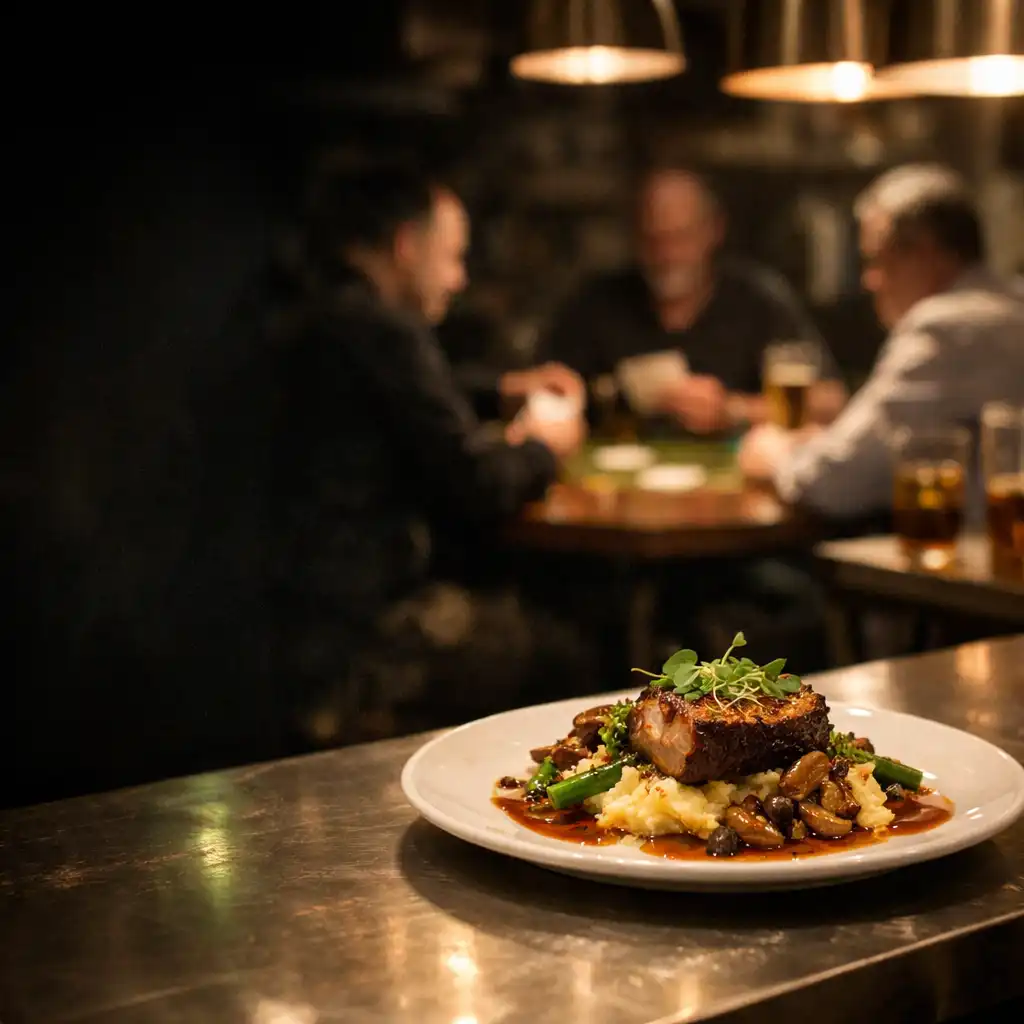
Plated savoury dish at a restaurant kitchen pass with a softly blurred card lounge behind
KITCHEN / PASS 02 A food moment remains connected to the card-lounge room.
Kitchen / table signal

A host keeps transitions visible

Hosts guide the table without turning the room into a rigid programme. Their cues can help guests notice when attention is moving between poker tables, conversation and kitchen moments, keeping the physical space easy to share.

Guest cue

Make space for the shared table

Stay connected through conversation, food pauses and the cues already present in the room. That simple awareness lets guests enjoy the card lounge and the restaurant atmosphere together, without treating either as a separate task.

Field protocol

Small habits that keep the room moving

These are simple shared habits, not a formal code. In a physical restaurant card lounge, the host is the most useful point of guidance whenever something is unclear. A little attention to the room helps every guest remain included and lets the social energy stay relaxed.

01Host cue

Follow the host’s cue

When the immediate table flow needs clarity, a host’s guidance is the simplest way forward. It is a hospitality cue, not an enforcement exercise, and it helps keep the shared in-person setting understandable for every guest.

02Table space

Keep the table readable

Give cards, personal space and non-financial table props a clear place on the physical poker table. Orderly surfaces make the room more comfortable, helping fellow guests see what matters and move easily around the shared setting.

03Room tone

Read the room with others in mind

Conversation belongs in an in-person card evening, especially when it supports the restaurant atmosphere. Stay aware of fellow guests and leave room for table attention, so sociability and shared focus can sit comfortably together.

04Ask early

Ask early, stay comfortable

If you are unsure how a hosted session or kitchen pause is progressing, ask rather than guess. Hosts are there to help guests understand the rhythm of both table and restaurant, making a small question an easy part of the evening.

Private groups

Planning for a group starts with the room

Private groups can approach The Gamesome Kitchen as a shared, in-person restaurant occasion shaped around people, physical poker tables, the card lounge and kitchen pairings. The hosted format gives a group a common point of attention while leaving space for dining and conversation. Rather than assuming a fixed package or itinerary, begin with the kind of gathering you want to create and use the planning route to organise a sensible visit.

Plan a private group
Group mix

Bring different experience levels together

A physically present host can offer shared cues as people settle in. That helps a group with different levels of card-room familiarity focus on introductions, conversation and an easy social pace rather than trying to arrive with the same knowledge.

Shared rhythm

Let the restaurant carry the social pace

The card lounge and kitchen pairings give a group more than one way to take part. Table time, dining and conversation can connect naturally across the evening without needing a fixed itinerary to make the occasion feel complete.

Planning cue

Start with the kind of evening you want

Discussing the intended occasion is a useful place to begin, whether the focus is a shared meal, a card-lounge gathering or both. Use the booking route to plan the visit with that context in mind, without assuming details that have not been confirmed.

Closeout

A good close leaves room for the rest of the evening

A considered close lets guests leave with the social connection and restaurant experience intact rather than rushing toward a final note. Hosted poker sessions happen physically inside The Gamesome Kitchen, so winding down can feel like a natural continuation of the room: a last conversation, an orderly table and the quiet sense of having shared a complete evening.

The close is not about procedure or a fixed finish. It is the reflective part of a restaurant-led gathering, where the card lounge returns to the wider rhythm of the venue and guests can carry the warmth of the occasion with them.

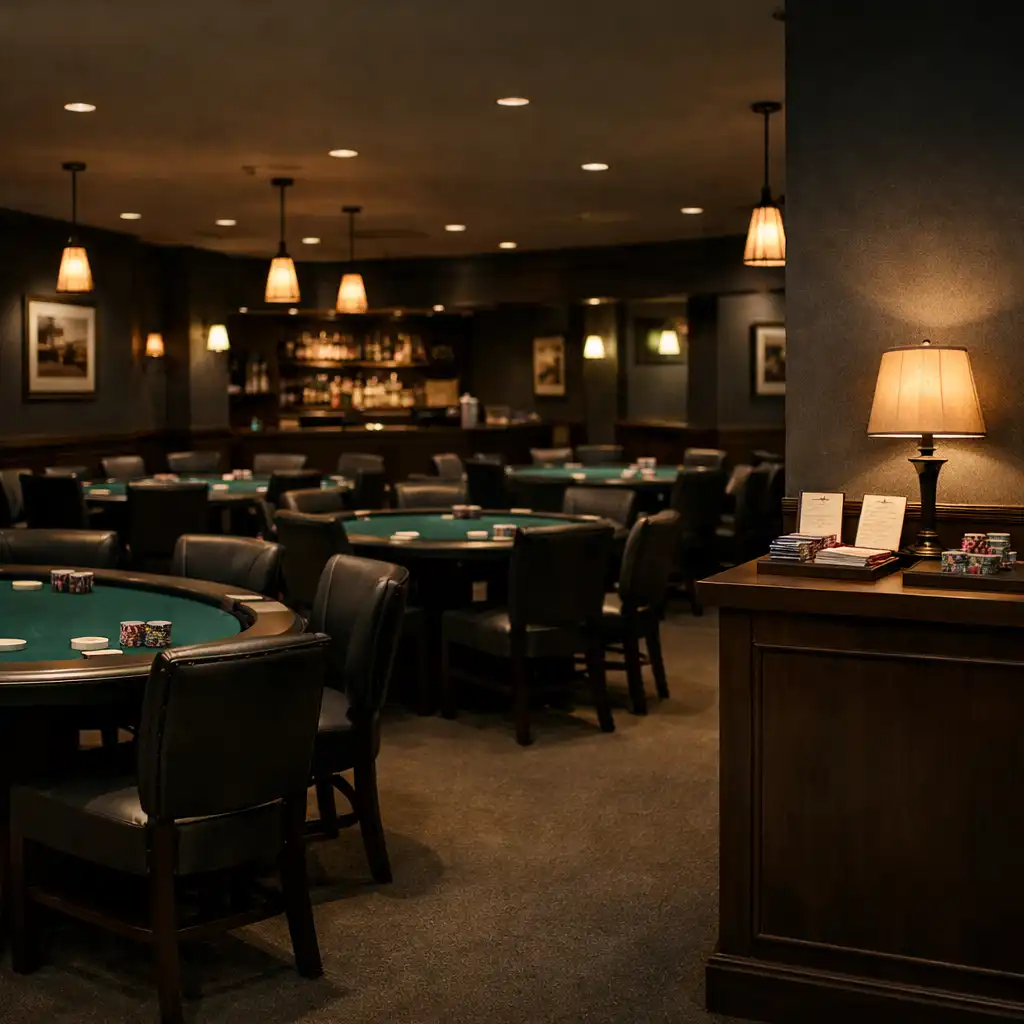
Orderly restaurant card lounge after a hosted poker session, with tables reset and chairs pushed in
LOUNGE / ROOM RESET An orderly physical room after a shared restaurant evening.
Plan your session

Ready to plan your place in the room

When the flow feels clear, plan an in-person restaurant visit around the card lounge, hosted poker sessions, physical poker tables and kitchen pairings. The Gamesome Kitchen is built for a hosted social setting where food, conversation and cards can share the same room.

Book a table
Planning for more than one guest?Plan a private group
Flow questions

Final practical reassurance

These short answers address common planning questions about a physical, hosted card-lounge evening inside the restaurant.

Is this only for experienced poker players?

No rehearsed card-room routine is assumed. Hosted sessions are guided in person, and guests can learn by observing the room, taking cues from the host and participating respectfully at the physical tables. For more context before a visit, the Host Guidance area is a useful next read; suitability or access is not guaranteed by this overview.

Does the restaurant side remain part of the evening?

Yes. The Gamesome Kitchen is restaurant-led, and kitchen pairings are part of the experience around offline poker held physically in the restaurant. Dining, conversation and the hosted card-room rhythm are considered together, without promising a particular menu, service moment or fixed timing.

What can the host help with?

A host can provide real-world guidance around the card lounge and physical poker tables, helping guests understand shared cues, immediate table flow and the comfort of the room. The role is to make the setting clearer and more welcoming, not to imply specific duties, credentials or formal outcomes.

What if I am planning for a group?

Start by considering the kind of shared restaurant evening you want to plan, then visit Private Groups for the relevant planning route. Booking is the next practical step, without assuming capacity, packages or confirmation details that are not shown on this page.