Offline poker / restaurant floor

Physical cards. A working restaurant. One shared table.

The Gamesome Kitchen hosts offline poker physically inside the restaurant: real tables, a card lounge and hosted poker sessions gathered in one shared room. An in-person card evening here keeps the restaurant close at hand, so conversation, table focus and hospitality can belong to the same visit.

Plan your session

Use the booking path to begin the conversation about planning a restaurant visit.
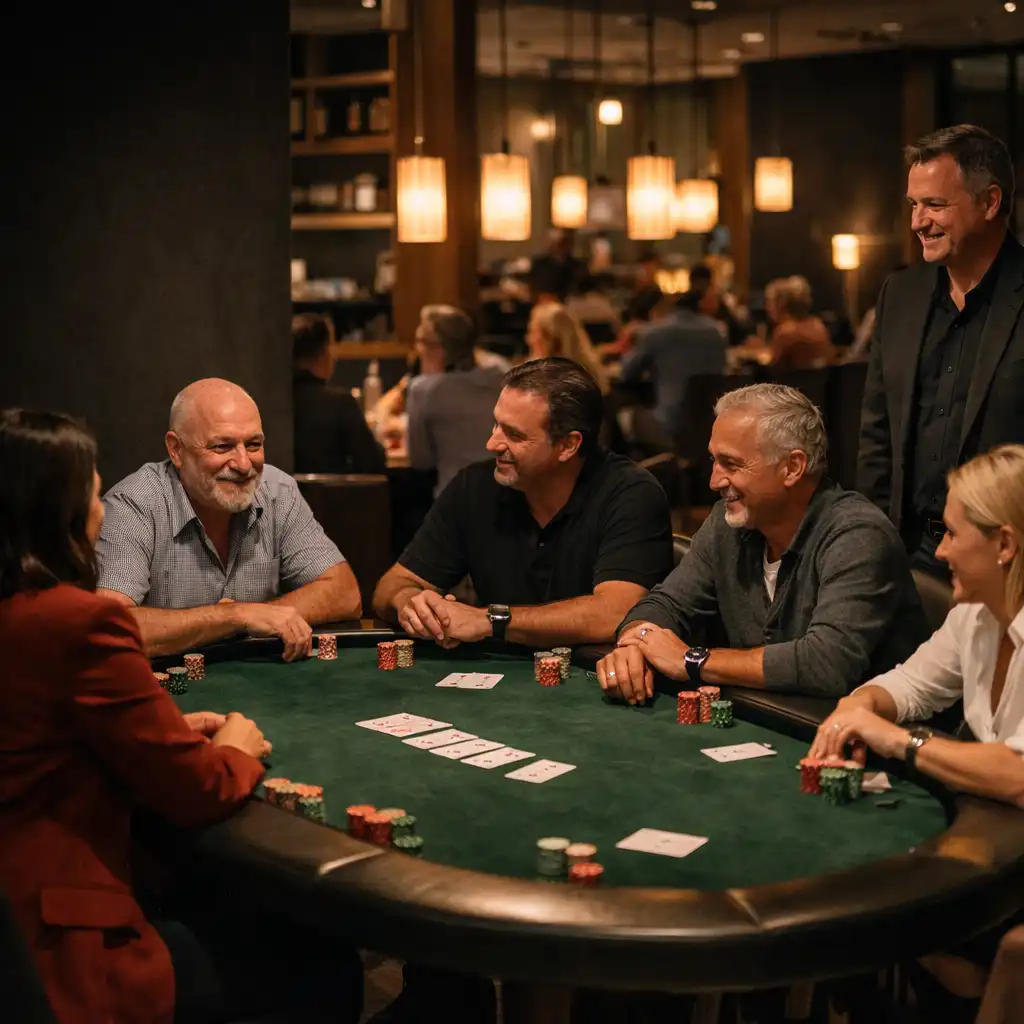
Guests gathered around a felt poker table in The Gamesome Kitchen card lounge.
Lounge / card room evidence — a hosted, face-to-face restaurant setting
Hosted in-person format Poker tables, card lounge and restaurant floor
Format / room reading

Read the room

Before practical planning, it helps to see the evening as a restaurant gathering with a clear table focus. The console language is useful for orientation; the experience itself remains human, local and face-to-face.

Format / in person

A card room, not a broadcast

Offline poker means gathering at physical poker tables inside the restaurant, with cards, conversation and a host in the room. Guests share the small cues that make a table legible: someone asking a question, a pause before the next moment, and the easy awareness that comes from sitting together. The focus stays on the real table and the people around it.

Setting / restaurant floor

The room is part of the plan

The card lounge belongs to a restaurant evening rather than sitting apart from it. Guests can settle into the room before and around the table, with food, service and conversation contributing to the atmosphere. That restaurant context gives the cards a warmer frame: there is space to pay attention to the table without losing the shared feeling of the wider room.

Hosting / table rhythm

A host keeps the evening legible

Hosted poker sessions give the table a clear human point of guidance when a transition or question needs context. The host helps guests follow the room’s rhythm, keeps communication plain and supports an inclusive sense of flow. It is practical, in-person guidance that lets the group stay connected to the evening rather than trying to decode it alone.

Hosted format / field sequence

Session flow, without the noise

Each gathering finds its own shape, but these moments show how a hosted card evening can move through the restaurant without becoming a rigid timetable.

01 / arrive

Arrive into the room

Guests enter a restaurant environment and get their bearings in the card lounge before settling at the table. That first moment is simply about becoming comfortable in the shared space: seeing where the table sits, taking in the room and joining the evening at a natural pace.

02 / settle

Settle at the table

At the poker tables, the host helps the group understand the flow and keeps the in-person card evening easy to follow. Questions can be brought into the open, and the table can find a calm rhythm without assuming that every guest arrives with the same familiarity.

03 / play + dine

Let the evening find its pace

Conversation, cards and kitchen moments can share the same evening without turning the meal into an interruption. The restaurant remains present through the table’s pace, giving guests room to talk, return their attention to the cards and enjoy the lounge as a social setting.

04 / flow

Follow the hosted flow

When the gathering changes gear, the host offers a clear point of reference so the group remains connected to the room. The next moment need not feel abrupt: table flow, hospitality and conversation can stay in view as the physical evening continues.

Table etiquette / field note

Good table energy is shared

New and returning guests benefit from a simple table mindset: pay attention, make space for conversation and let the host guide unclear moments. This is not a formal rulebook. It is a welcoming way to help cards, service and people coexist comfortably at a physical restaurant table, while everyone remains aware of the shared room.

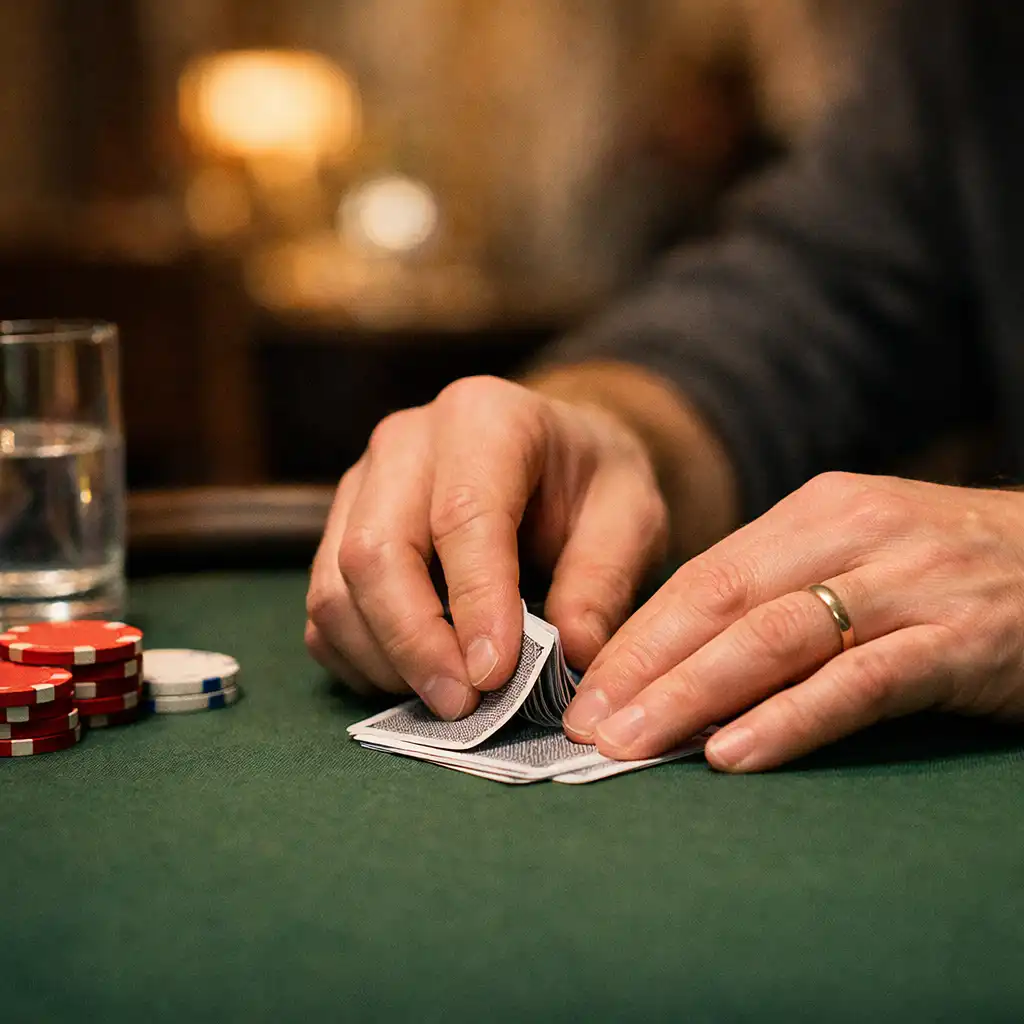
Hands arranging cards on a felt poker table in a restaurant setting.
Table / hands + flow — physical tabletop detail
Table note / space

Make room for the table

Keep the play area clear enough for cards, conversation and restaurant service to coexist comfortably. Cards and ordinary non-financial chips can remain simple tabletop props, while water, plates and personal items sit with enough care that the shared surface still works for everyone.

Table note / reference

Use the host as your reference

When a transition or table convention is unclear, ask the host rather than letting uncertainty interrupt the group. A quick question creates clarity at the right moment and helps the table keep its comfortable pace without anyone needing to guess what comes next.

Table note / social

Stay connected to the room

Keep the evening social. The card lounge works best when each guest is attentive to the shared rhythm of the room, including the people at the table and the restaurant atmosphere around it. That small awareness is part of the hospitality of an in-person card evening.

Why table rhythm matters

Clear space, open questions and attention to the room make it easier for a hosted gathering to feel considered. They support the same practical goal: everyone can remain present at the table and in the restaurant around it.

Host role / on the floor

Someone is holding the thread

A host gives the room a visible human centre, helping guests orient themselves to the session as it unfolds. The role is about presence and practical context, keeping the hosted experience clearly grounded in the restaurant and at the table.

Signal / transitions

Clarity at the right moment

Hosts can clarify the shape of the evening, support transitions at poker tables and keep the group aware of the shared space. They offer a point of reference when the table needs a little orientation, without turning the experience into a fixed procedure. The guidance is there to support real-world flow.

Signal / comfort

A calmer way into the room

The best host guidance makes room for different levels of familiarity while keeping the card lounge relaxed and legible. It supports a hospitality-led atmosphere where guests can take part in the shared table rhythm, ask for context when needed and remain connected to the restaurant around them.

Field note: host guidance supports the room; it does not replace the social attention guests bring to a shared table.

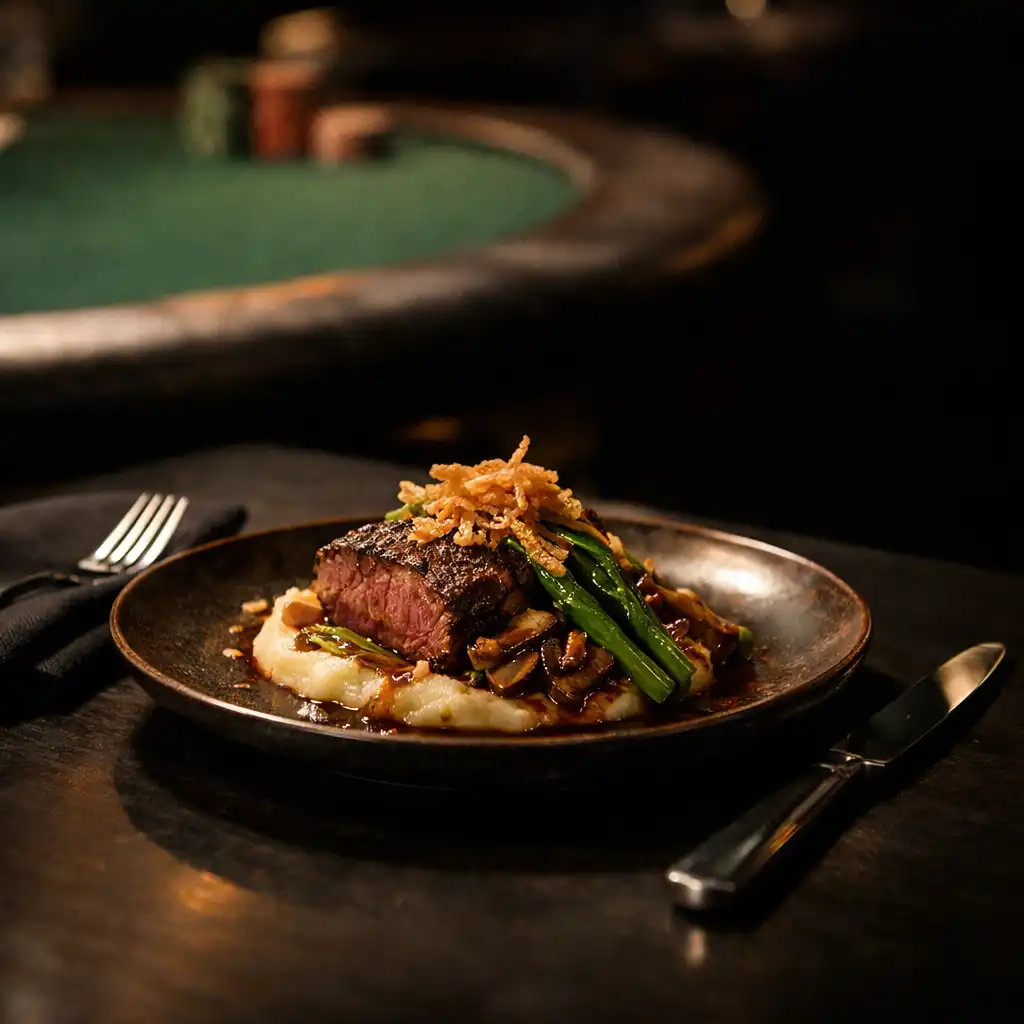
A plated savoury dish on a dark restaurant table near the card lounge.
Kitchen / restaurant floor — food remains part of the evening
Kitchen pairing / service rhythm

The kitchen stays in the conversation

The kitchen pairing is what makes these in-person card evenings restaurant-led: food and hospitality remain present alongside the table. Rather than treating the card lounge as a separate setup, the restaurant gives the gathering a considered pace, with the warmth of service and a shared room always close by.


A thoughtful restaurant pace gives guests space to return to the table, talk across it and enjoy the room as more than a card setup. Plates, conversation and lounge atmosphere can live alongside the cards without asking the evening to follow one fixed rhythm.

Book a table

Ready to bring cards, food and a hosted atmosphere into one visit? Use the booking path to begin planning.

Card lounge / room note

A lounge with a table at its centre

The card lounge is designed to feel like a shared restaurant space where guests can focus on the table without leaving the wider room behind. Lighting, conversation and the sense of being near others give the evening its social texture. The poker table provides a focal point, while the restaurant setting keeps that focus connected to hospitality, food and the people gathered around it.

Sightline

Keep the room in view

Poker tables create a focal point, but the evening remains social because guests are gathered face-to-face in the same physical room. Attention can return to the table while conversation stays close.

Ambience

Stay part of the restaurant

Restaurant atmosphere helps the card room feel considered rather than isolated, giving conversation a place before, during and after the table. The lounge remains part of the restaurant visit.

Rhythm

Follow a shared pace

The hosted format gives the room a readable rhythm, so practical guidance and hospitality can sit alongside the cards. Guests can stay connected to the table and the wider evening.

Visitor guidance / first pass

First-visit answers

These short notes address the practical questions that often come up when you are picturing a first hosted poker visit in the restaurant.

01 / is this in person?Is offline poker held in person?

Yes. Offline poker at The Gamesome Kitchen is a physical, hosted gathering inside the restaurant. Guests come together at poker tables in the card lounge, with cards, conversation and a host present in the shared room. The experience is built around being there together, not around a remote setup.

02 / what does the host do?What does the host help with?

The host helps the group follow the shared flow of the in-person session and offers a practical point of reference for table-related questions. Their presence supports comfort and clarity around transitions, while keeping the evening connected to the physical room and its relaxed restaurant context.

03 / where does food fit?Is the kitchen part of the evening?

Yes. The Gamesome Kitchen is restaurant-led, so the kitchen and hospitality remain part of the visit rather than sitting apart from the card lounge. Food, service and conversation contribute to the pace of a restaurant evening, alongside the physical table and hosted gathering.

04 / how do I plan a visit?How do I start planning?

When you are ready to arrange a visit around the offline poker experience, the next step is to use the booking path. It begins the planning conversation for a hosted, in-person restaurant visit without asking you to assume a particular format in advance.

Ready state / plan the room

Bring the table into the plan

Approach the booking path with a simple picture of the visit: a restaurant setting, a physical card lounge, hosted poker sessions and kitchen context held together in one shared evening. You do not need to turn it into a complicated brief. Start with the kind of restaurant visit you want to plan, then let the hosted, in-person experience provide the table focus.

Visit note

Offline poker here refers to hosted, physical restaurant card evenings; use the booking path when you are ready to begin planning a visit.